How Much Does Insurance Cost More After a Traffic Accident: When It’s Worth Reporting the Damage—and When It Isn’t
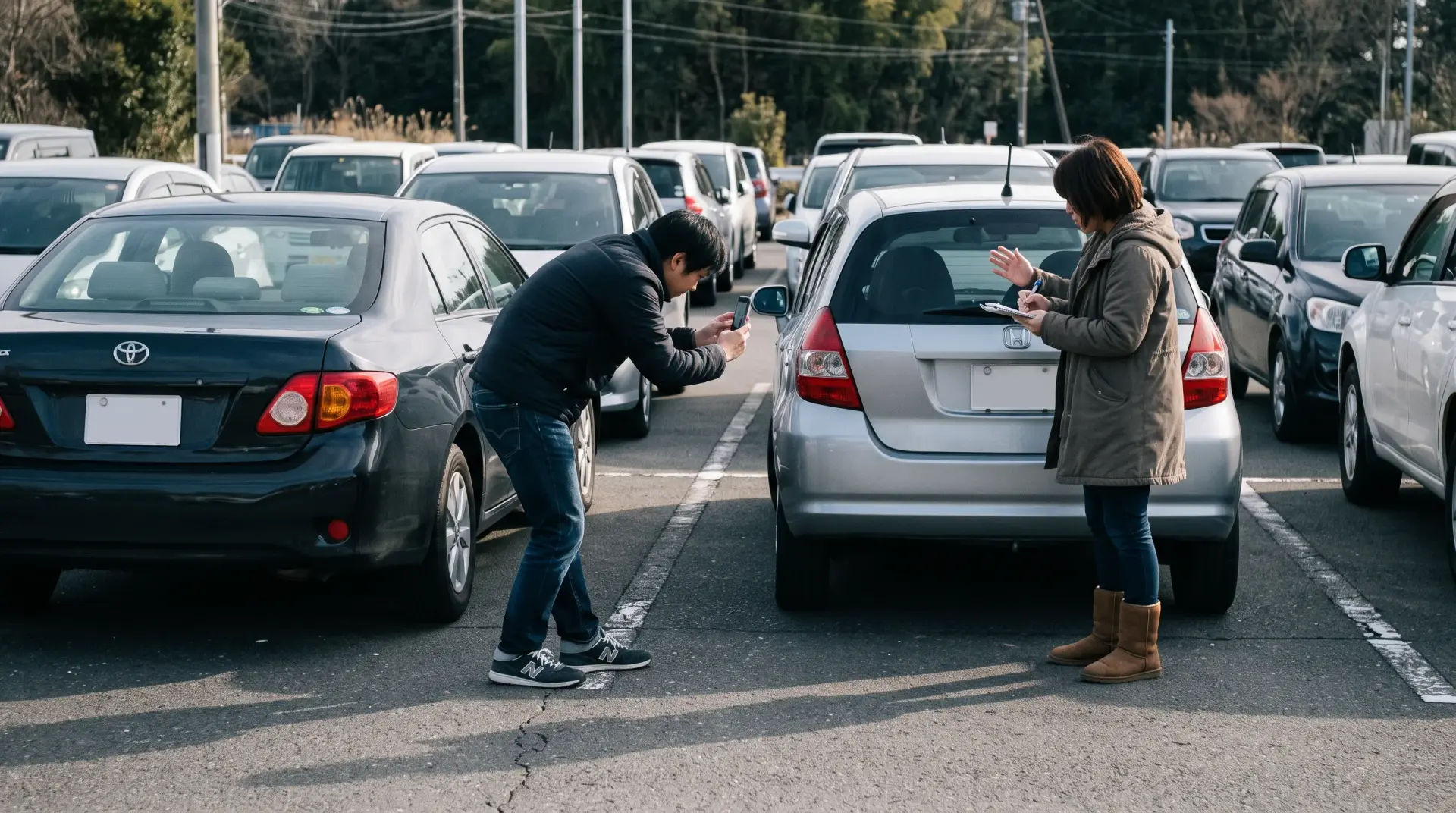
You backed into someone else’s bumper in a parking lot. The scratch is small but visible. And the question immediately pops into your head: should you call your insurance company or settle it on the spot with the other driver and pay out of your own pocket?
Many people just freeze at this point. Some are afraid that if they report the damage, their insurance premiums will double next year. Others, on the contrary, don’t report even more serious damage—and then run into problems later. The truth, as usual, lies somewhere in the middle.
This article explains how much insurance premiums actually go up after a traffic accident, how the bonus-malus system works in terms of specific numbers, and when it’s cheaper to just pay out of pocket.
In ShortAfter a traffic accident for which you were at fault, the cost of mandatory auto insurance (TPVCA) may rise the following year due to a drop in your bonus-malus class. If the estimated cost of the damage is less than what you’ll overpay over the next few years, it’s often worth paying for the damage yourself and not filing a claim. Always compare prices from several insurers, as the impact of the malus varies.
How the Bonus-Malus System Works
The cost of TPVCA (mandatory civil liability insurance) in Lithuania isn’t the same for everyone. It’s determined by your driving history, which insurers evaluate based on the so-called bonus-malus class.
The principle is simple. If you drive without accidents, your class goes up and your insurance gets cheaper. If you’re at fault in an accident, your class goes down and your insurance gets more expensive.
Each insurer has its own scale, but the logic is similar. It usually ranges from the lowest (most expensive) to the highest (cheapest) class, where the largest discount applies. For every year without a claim, you move up one class. But a single at-fault accident drops you several classes at once.
That’s the whole point. A single incident wipes out the discount you’ve built up over several years.
Important Note: Your bonus-malus history follows the driver, not the car. If you switch insurers or cars, you won’t “lose” your class—new insurers usually look at your claims history over the past few years.
How Much Does Insurance Actually Go Up After a At-Fault Accident?
There’s no single figure that applies to everyone. The price depends on your age, driving experience, car, place of residence, and the specific insurer’s rates. But it’s possible to outline realistic limits.
If you drop a few classes, your TPVCA premium for the following year will increase—the exact amount depends on your profile and the insurer you choose. In more serious cases, or when several claims occur within a short period of time, the impact is greater.
But the impact doesn’t end after just one year. It takes time to regain your class—usually several years of driving without new claims. This means the overpayment accumulates over that entire period.
2–4 years—that’s how long it takes, on average, to restore a lost bonus-malus class
It varies by insurer—the increase in TPVCA premiums after a at-fault claim depends on your profile and the specific insurer’s rates
Several years—the period over which the total overpayment due to the reduced bonus-malus class accumulates
The main question: pay for it yourself or file a claim?
This is where drivers’ real fear lies. A minor scratch, yet the decision is unclear.
In fact, the logic should be purely mathematical. Compare these two figures:
- Estimated cost of damage—how much it will cost to repair the damage caused to the other party.
- Total overpayment—how much more you’ll pay for insurance over the entire bonus-malus reset period.
If the damage is less than the overpayment, it’s often worth paying for it yourself and not filing a claim. If it’s more—file a claim; that’s what insurance is for.
Insurance is meant to cover major losses, not minor scratches. Filing a claim for minor damage often costs more than the damage itself.
A Decision Tree in Simple Steps
But how can you make that decision quickly, while you’re still standing next to your car? Here’s a simple sequence.
- Assess the damage visually. Is it a superficial scratch, or is there already deformation or broken parts?
- If the damage is clearly significant (deformed body parts, injured people, multiple cars involved)—report it without hesitation.
- If the damage is minor and both drivers agree—find out the cost of repairs.
- Compare that cost to the amount you’d likely overpay over the next few years.
- If people are injured—always file a claim, regardless of the property damage.
Warning: Never try to settle the matter “amicably” on the spot if people have been injured in the accident, there is suspicion of a drunk driver, or the other party is behaving inappropriately. In such cases, it is essential to call the police and have everything officially documented.
Calculation Example
Let’s look at a specific scenario with numbers.
Let’s say you scratched someone else’s bumper in a parking lot. The repair would cost a certain amount. Your current annual TPVCA premium is also a specific amount. The decision depends on the ratio between these two amounts.
| Criteria | I report the damage | I pay for it myself |
|---|
| Current Amount of Damage | 0 EUR (covered by the insurer) | Repair cost |
| Next year’s insurance | Increases due to penalties | Remains the same |
| 2-year insurance | Increases less | Stays the same |
| 3-year policy | Approaching the previous level | Remains the same |
| Total additional amount | Overpayment during the recovery period | One-time repair cost |
If the repair cost is less than the total overpayment during the recovery period, it’s worth paying for it yourself. If it’s higher, file a claim—that’s what insurance is for.
Chart: Cumulative insurance overpayment (EUR) over 3 years following a fault-based claim, compared to the one-time repair cost. The overpayment curve rises gradually, and the crossover point indicates the damage threshold beyond which filing a claim becomes uneconomical.
Comprehensive Insurance (KASKO): A Slightly Different Logic
So far, we’ve been discussing mandatory insurance. With comprehensive (KASKO) insurance, the situation is a bit different.
Comprehensive insurance covers damage to your own vehicle, regardless of who is at fault. The most important factor here is the deductible—that is, the amount you pay out of pocket before insurance coverage kicks in.
If your KASKO deductible is higher than the amount of damage incurred, there’s no point in contacting the insurer at all—you’d end up covering the entire amount yourself anyway.
Common Mistakes
Failing to document serious damage. You settle the matter on the spot, but later it turns out that the damage is much more extensive, or the other party changes their mind and files a claim anyway.
Documenting every minor detail. A small scratch is documented, the insurance rating drops, and the overpayment exceeds the actual damage.
Failing to sign the accident report. Even if you agree to settle the claim yourselves, it’s worth writing down the other driver’s information and taking photos of the scene. A verbal agreement has no legal standing.
They don’t compare insurers. Different insurers calculate the impact on premiums differently. After a claim, one insurer’s quote may increase more sharply than another’s.
“After a minor accident, my insurer quoted me a higher price for the following year. I compared prices online and found that another insurer offered the same coverage at a lower price. That’s how I saved money.” — Tomas, Kaunas
What to Do After a Traffic Accident: A Quick Guide
Whatever the decision, a few steps remain the same.
- Make sure no one was injured. If so, call for help and the police.
- Take photos of the cars, the damage, the surroundings, and the license plate numbers.
- Write down the other driver’s contact information and insurance details.
- Fill out an accident report if you’re reporting damage.
- Before contacting your insurer, estimate the extent of the damage and your likely out-of-pocket expense.
Percentage of drivers who don’t know how the no-claims bonus works: 60%
FAQ
Will a single traffic accident significantly increase my insurance premiums? The exact increase depends on your profile and your insurer. More serious damage or multiple claims within a short period of time will have a greater impact.
Will my insurance get more expensive if I wasn’t at fault in the accident? If you are the innocent party, your no-claims bonus class shouldn’t drop as a result, and the at-fault party’s insurer will cover the damages. However, always check how the incident was documented.
How long does it take to restore your no-claims class? Usually 2–4 years of driving without causing any new at-fault claims. Your class gradually improves with each accident-free year.
Is it possible to switch to another insurer after a claim to get a lower rate? Yes. When your policy expires, you can choose any insurer. New insurers will review your claims history, but their rates vary, so by comparing prices, you can find a cheaper option.
Do I need to document the damage if I’ve agreed to pay for it myself? Formally, no, but it’s essential to protect yourself: take photos of the scene and write down the other driver’s information. Without evidence, they may file a claim later.
Brief conclusion
How much your insurance premium increases after an accident depends on the extent of the damage and your no-claims discount class. Before reporting minor damage, always compare the repair cost with your expected premium increase—if the damage is clearly minor, it’s often cheaper to pay for it yourself.
And don’t forget this simple rule: After an accident, you’re under no obligation to stay with the same insurer.
Compare insurance prices in just a few minutes
Draudykle.lt will help you compare offers from the most popular insurers in Lithuania and purchase insurance online.
Compare prices →