How Much Does Apartment Insurance Cost, and What Factors Affect the Price?
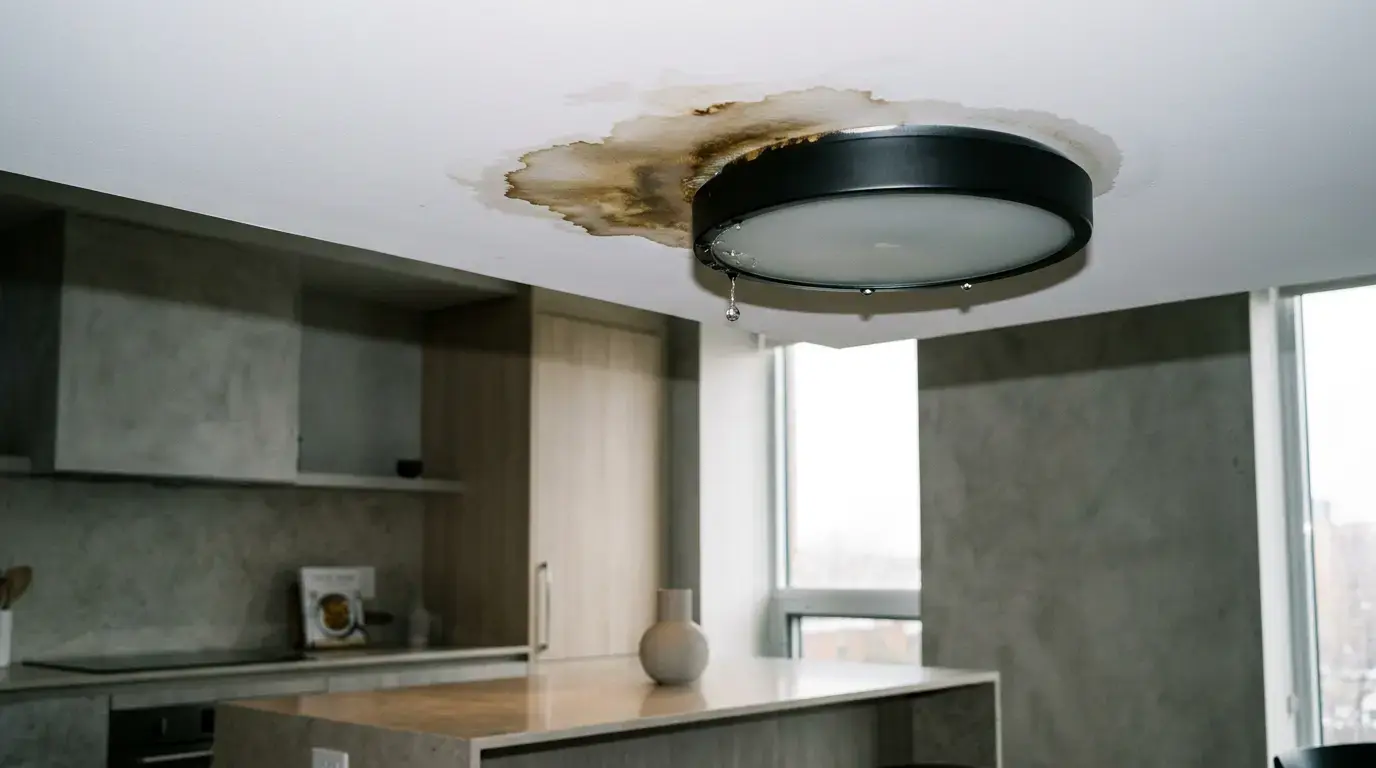
Imagine this: a hose bursts in the bathroom, water leaks all night, and by morning, your downstairs neighbor’s ceiling is already covered with brown stains and dripping light fixtures. The repair estimate comes to several thousand euros. You have home insurance, so everything seems to be in order. But you don’t receive the full payout—only a portion of it. Why? Because five years ago, you set the coverage amount too low.
This scenario plays out in Lithuania more often than we’d like. People find out “how much apartment insurance costs,” pay a few dozen euros a year, and think they’re set. But the real problem only arises when an insured event actually occurs.
In this article, we’ll cover what actually determines the price, what coverage amounts are typical in Lithuania, and how to avoid that one mistake that ends up costing the most.
In ShortHome insurance in Lithuania typically costs anywhere from a few dozen to a few hundred euros per year, depending on the size of the home, its location, the coverage amount, and the type of coverage selected. Key fact: if the insured amount is set too low, the insurer may reduce the payout proportionally. Before signing a policy, check that the insured amount matches the actual replacement value.
How much does apartment insurance actually cost in Lithuania?
The short answer is: from a few dozen to a couple hundred euros per year.
Insurance for a standard city apartment usually costs a few dozen euros per year. A more spacious apartment or house costs more because it has more separate structural components—a roof, foundation, and sometimes outbuildings—and the total value is higher.
Why such a wide range? Because two apartments of the same size can cost completely different amounts. It all depends on what you’re insuring and for how much.
** Depends on the coverage amount, square footage, and scope of coverage
**The cost of apartment insurance
** is usually higher than that of a house due to the higher replacement cost and more structural elements
**Cost of home insurance
** depends on the terms of the selected policy
**Typical deductible
Insurers do not publicly disclose exact rates, and comparison websites often only provide a calculator without any explanation. So before you click the button, it’s worth understanding what factors determine those numbers.
What Determines the Cost of Home Insurance
The price isn’t random. It’s made up of several specific components.
The sum insured. This is the maximum amount the insurer will pay out. The higher it is, the more expensive the policy—but the stronger the coverage. This is where the most common mistake lies—more on that below.
Type and size of the home. An apartment in a multi-unit building, a single-family home, or a cottage—the risks vary. A larger area and more structural elements mean a higher replacement value.
Location. City center, suburbs, or rural area. The likelihood of fire, theft, or flooding depends on this.
Year of construction and materials. A wooden house is riskier than a brick one. Older electrical wiring or plumbing increases the likelihood of incidents.
Selected Coverage. A basic policy covers fire, water damage, and storms. You can also optionally insure your household property, civil liability toward neighbors, glass, and household appliances against breakdowns.
Deductible. This is the amount you pay out of pocket in the event of a claim. A higher deductible means a cheaper policy, but also more out-of-pocket expenses for each incident.
| Factor | Reduces the price | Increases the price |
|---|
| Insurance Amount | Lower (but riskier) | Higher |
| Deductible | Higher | Lower |
| Housing type | Brick apartment | Wooden house |
| Scope of coverage | Structure only | + property, liability |
| Year of construction | Newer | Older |
The most common mistake that costs the most
Here’s the key point. People look for the cheapest policy and, in an effort to lower the price, specify an insurance amount that’s too low. At first glance, it makes sense—a lower sum means a lower premium. But this is where the rule of proportional reduction comes into play, a concept few people talk about.
Simply put, if the actual replacement value of your home is 80,000 euros and you’ve insured it for only 40,000 euros, the insurer considers that you’ve insured half of the property. In the event of a loss, the insurer proportionally reduces the payout—even if the loss itself is less than the insured amount.
Important: Note the proportional reduction rule. If the insured amount is only 50% of the actual value of the home, the insurer may pay out only about half of the actual loss amount in the event of a claim. You’ll have to cover the rest yourself. Underinsurance is the most common reason why payouts are lower than expected.
That’s why the insured amount is not an area where you should cut corners. It must reflect the actual amount it would cost to rebuild your home—not the market price, not the cadastral value, but specifically the reconstruction (construction) costs.
A cheap policy with an insufficient coverage amount is a false sense of security that only becomes apparent when it’s too late.
How to Calculate the Correct Insurance Coverage Amount
In practice, it’s a matter of a few steps.
- The reconstruction value of the structure. This can be roughly calculated based on the area. The cost of reconstruction depends on the level of finish, the region, and the building materials—for a more accurate estimate, it’s worth consulting a construction specialist or using the assessment tool provided by the insurer.
- Household belongings. Assess furniture, appliances, clothing, and electronics separately. An average apartment contains quite a lot of belongings—often more than people realize.
- Civil Liability. Consider this coverage. If you flood your neighbor’s home, this coverage will pay for their repairs. Without it, you’d have to pay out of pocket.
Sample Calculation Principle (Illustrative)

Reconstruction of the structure:  area × reconstruction cost per m²
Household property: furniture + appliances + other items
Civil liability: according to the terms of the selected policy
------------------------------------------------------
Total insurance coverage: sum of all components

The exact annual premium is determined by the specific insurer and your individual circumstances.
How to Save Money Without Sacrificing Coverage
You can lower the cost wisely without leaving any gaps in coverage.
- Choose a higher deductible. Increasing the deductible often results in a noticeable reduction in your annual premium. The logic is simple—you cover minor damages yourself and reserve the insurance for more serious incidents.
- Insure what really matters. Not everyone needs coverage for glass breakage or expensive appliance breakdowns. But you definitely shouldn’t skip coverage for structural damage, water damage, and liability.
- Compare several insurers. The same apartment can cost significantly different amounts at different companies—due to varying risk assessment models. It really pays to compare.
Common Mistakes to Avoid
There are a few pitfalls that people fall into every year.
- They insure only the building structure and forget about their belongings. In the event of a fire, the walls are rebuilt, but there is no compensation for burned furniture and appliances.
- They specify the cadastral value instead of the replacement value. These are two completely different figures—and that’s precisely why coverage ends up being insufficient.
- They don’t update the policy after renovations. You’ve invested in a new kitchen and bathroom, but the coverage amount remains the same. If damage occurs, the compensation won’t reflect the new value.
- They don’t check the exclusions. Some policies don’t cover damage caused by old plumbing or improper maintenance. It’s worth reading the terms and conditions before signing, not after an incident occurs.
“I thought I was properly insured—I paid very little each year. When I flooded my neighbor’s place, it turned out that the coverage amount was half of what was needed, and they reduced the payout. Now I always check the replacement value.”—Tomas, Kaunas
FAQ
How much does home insurance cost for a standard two-bedroom apartment? The price depends on the coverage amount, deductible, and additional coverage options. The best way to get an accurate quote is directly from the insurer or through a comparison platform—by entering your home’s details.
What’s the difference between the cost of apartment and house insurance? The cost of house insurance is usually higher. A house has more structural components (roof, foundation, and sometimes outbuildings) and a higher total replacement value, so the risk is greater.
What factors most influence the cost of home insurance? Primarily, the sum insured, the type of home, and its location. The deductible amount and the scope of coverage selected also play a role. The sum insured is the most important factor, as both the price and the actual payout depend on it.
Is it possible to get cheaper coverage by specifying a lower insured amount? Technically, yes, but it’s risky. The proportional reduction rule applies—if a claim is filed, the payout will be reduced proportionally. Saving a dozen or so euros a year could end up costing you thousands if something happens.
How does the home insurance calculator work? It calculates an approximate price based on the data you enter: home size, type, coverage amount, and deductible. The result is only as accurate as the data you enter, so it’s important to correctly estimate the replacement value.
In short, the most important thing
Apartment insurance in Lithuania is inexpensive—often less than a dozen euros per month. But price shouldn’t be the only criterion. Most importantly, the coverage amount must match the actual replacement value of the home; otherwise, the payout will be proportionally reduced in the event of a claim.
Before signing a policy, check three things: whether the coverage amount is realistic, whether both property and civil liability are covered, and what the deductible is. These three points determine whether the insurance will actually pay out when you need it.
Compare insurance prices in just a few minutes
Draudykle.lt will help you compare offers from the most popular Lithuanian insurers and purchase insurance online.
Compare prices →This article is for informational purposes only and does not constitute individual insurance or financial advice. Specific terms and prices vary by insurer and your individual circumstances.